

CA-27 #412296
Since 1980
Local team. No pressure. No spam.
Sloped yards and shifting soil cause real problems for Orangevale homeowners. Cracked foundations, washed-out landscaping, and eroding hillsides all start with ground that will not stay put. Soil stabilization systems in Orangevale, CA give your property the support it needs to stay safe and level.
This page walks you through how retaining walls protect your yard from soil movement. You will see what happens at each stage, from planning and permits through the final inspection. A licensed landscaper builds walls that hold soil firmly and keep your outdoor space looking great for years.
Concrete block, natural stone, and treated timber all work well for soil stabilization retaining walls in Orangevale, CA. Concrete block is the most popular choice because it handles local clay and loam soil well. A licensed landscaper can match the material to your specific slope and soil type.
Ask your Orangevale landscaper to recommend the best fit based on your wall height and drainage needs.
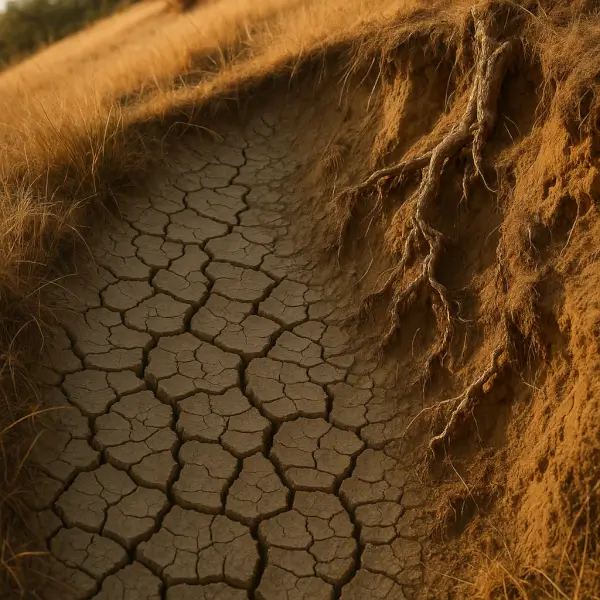
Your yard will tell you when something is wrong. You just need to know what to look for. Orangevale sits on a mix of clay and loam soils that swell when wet and crack when dry. That cycle makes slopes unstable year-round and puts pressure on anything built near a grade change.
Cracks in the ground near a slope are one of the earliest signs of soil movement. Those gaps widen during dry summer months and close again when winter rains arrive. Each cycle weakens the soil structure a little more. If you spot cracks running parallel to a slope edge, the ground is already shifting.
Leaning fences or tilting landscape blocks point to pressure building underground. Soil does not push evenly. It moves in the direction of least resistance. A fence post that leans downhill or a row of blocks that bows outward tells you the weight behind them is winning.
Water pooling at the base of a slope signals poor drainage and weak soil below the surface. When water has nowhere to go, it soaks into the clay and adds weight. That extra weight speeds up erosion and can cause a sudden slope failure of the hillside above it. You may also notice muddy patches that never fully dry out, even weeks after rain stops.
Look at the trees on your slope too. Exposed roots along a hillside show that topsoil has already washed away. Once that layer is gone, the soil underneath erodes much faster. And if you have an older retaining wall, bowing or bulging in the face means the soil behind it holds too much pressure. That wall is working harder than it should.
Catching these signs early saves you money and stress. A small repair now costs far less than rebuilding a failed slope later.
Your retaining wall material and design affect how long the wall lasts and how well it holds. Picking the wrong system costs you money twice: once to build it and again to fix it. We help Orangevale property owners compare options and choose a system that fits their slope, soil, and budget.
Concrete block walls are the most common choice we install in the area. They resist the pressure that heavy clay soils push against a wall face. A well-built block wall can last several decades with basic care. In the Citrus Heights area near Orangevale, contractors favor concrete block because it handles the heavy clay runoff from nearby foothill neighborhoods.
Geogrid reinforcement becomes a requirement once a wall reaches four feet or taller. Geogrid is a tough mesh fabric that ties the wall into the packed soil behind it. Without it, tall walls lean forward under pressure and eventually fail. We install geogrid layers at set intervals based on wall height and soil load.
The one-third rule is a standard every professional follows. One-third of the total wall height sits below the ground surface. This buried portion anchors the wall and stops it from sliding forward. DIY builders often skip this step and end up with walls that shift within a few years.
Drainage behind the wall is the detail most people overlook. Skipping a drain pipe and gravel backfill is the number one cause of early wall failure. Water builds up behind the blocks and pushes with thousands of pounds of force per square foot. That pressure cracks blocks and tips walls forward.
Hiring a licensed landscaper means the job meets Sacramento County building codes from day one. You get engineered plans, proper drainage, and a wall that holds for the long run.
Getting your permits and site work done early saves you time, money, and headaches. A soil stabilization wall project moves faster when every detail is handled before the crew shows up. Here is what you need to know before any dirt gets turned on your Orangevale property.
Sacramento County requires a permit for most walls over three feet tall. We handle the permit application for you, but the process can take a few weeks. Starting early keeps your project timeline on track. Skipping a permit can lead to fines or a stop-work order that delays everything.
A site survey is the first real step. Our team maps the slope angle, soil type, and drainage path on your property. This information tells us how deep to dig, what materials to use, and where water will flow. Without a survey, even a good wall can fail because of hidden soil problems or unexpected water paths.
Utility lines must be marked before we dig. We call 811 to get all underground lines flagged on your lot. Gas, water, electric, and cable lines can sit just a few feet below the surface. Hitting one of these during excavation is dangerous and expensive to fix.
Properties near Arcade Creek may need extra review from Sacramento County. Floodplain regulations in that area can affect where we place the wall and how we grade the soil around it. We check these rules before we draw up your plan so nothing catches you off guard later.
The more prep work we finish before construction day, the smoother the build goes. A well-prepared site means fewer delays and a stronger wall when the job is done.
Knowing each step of the build helps you spot good work and ask the right questions. A soil stabilization retaining wall follows a strict order. Skipping any step puts the whole structure at risk. Here is how our crews handle installation from trench to final cap.
Orangevale crews often schedule these builds during spring and fall. Summer heat dries compacted soil too fast. Winter storms flood trenches and slow curing. The mild shoulder seasons give the best conditions for strong, lasting results.
You spent good money on a retaining wall. Now you want proof it was built right. The good news is that a solid wall shows clear signs of quality within the first few weeks. You do not need special tools to check most of these things yourself. A quick visual inspection after the first rain tells you a lot about how well the system performs.
Wall face alignment is the first thing to look at. Stand at one end and sight down the length of the wall. The face should run straight with no bulging or bowing outward. Every block should sit tight against the next one with no visible gaps. If you see a section pushing out, soil pressure may already be building behind it.
Drain outlet flow matters just as much as the wall itself. Walk to the base of the wall during or right after a heavy rain. You should see water flowing out of the drain pipe exits. If no water comes out, the pipe may be clogged or was never connected. Blocked drainage is the number one reason walls fail early. In Fair Oaks Village just west of Orangevale, inspectors check drain outlet placement carefully because that area gets heavy sheet flow during winter storms. Your wall deserves the same level of attention.
Soil settling behind the wall is another sign to watch. The backfill area should stay firm and level. If the ground sinks or pulls away from the wall cap, the gravel backfill may not have been compacted well. According to the NCMA’s Segmental Retaining Wall Installation Guide, inadequate backfill compaction is one of the primary causes of post-construction soil settlement behind retaining walls – and the symptoms often do not appear until the first full rainy season puts the system under load. The same applies here.
Block and mortar condition should hold strong for at least two full growing seasons. Check for hairline cracks in the blocks or mortar joints each spring and fall. Small cracks that grow wider over time point to a base that was not level from the start.
A final walkthrough with your contractor wraps everything up. Walk the entire wall together. Ask them to point out drain exits, block setback angles, and the cap seal. Get notes on what to watch during your first winter rainy season. That walkthrough gives you a written record and peace of mind.
A well-built retaining wall can protect your slope for 20 to 50 years. But only if you take care of it. Orangevale experiences dry summers followed by sudden winter rains. That cycle of wetting and drying puts repeated stress on your wall’s drainage system every single year. A little attention each season saves you from expensive repairs down the road.
Clear your drain outlets every fall. Water backing up behind the wall is the number one cause of early failure. Before the rainy season hits, walk along the base and make sure every outlet flows freely. Remove leaves, dirt, and debris that block the openings. If water cannot escape, pressure builds against the back of the wall and pushes blocks out of place.
Check for cracks or shifted blocks after each major rain. Walk the wall within a day or two of heavy rainfall. Look for new gaps between blocks, hairline cracks, or sections that seem to lean forward. Write down what you see and take photos. Small shifts caught early cost far less to fix than a full wall rebuild.
Keep trees and large shrubs away from the wall face. Roots grow toward moisture trapped in the gravel backfill. Over time, those roots push blocks apart and break drain pipes. Plant large species at least six to eight feet from the wall. Low ground covers and small perennials are safer choices near the base.
Do not let soil and mulch pile up above the wall cap. When material stacks higher than the top row, rainwater pools on the surface instead of draining away. Pull back mulch and dirt so the cap stays visible and water runs off properly.
Schedule a professional inspection every three to five years. A trained eye spots settling, drain clogs, and block movement that you might miss. Catching small problems early prevents bigger structural failures. Your Orangevale retaining wall is an investment. Routine care keeps it standing strong through every wet season.
Installing a soil stabilization retaining wall in Orangevale typically takes one to two weeks for most residential projects. The exact timeline depends on wall length, height, soil conditions, and whether permits are already approved. Permit processing with Sacramento County can add two to four weeks before construction begins. Scheduling during spring or fall ensures the best soil compaction and avoids delays from summer heat or winter rain.
The cost of a soil stabilization retaining wall in Orangevale varies based on wall height, length, material choice, and site conditions. Most residential projects fall between $40 and $80 per square foot of wall face installed. Taller walls requiring geogrid reinforcement or engineered plans cost more. A licensed contractor provides a detailed estimate after completing a site survey and soil assessment so you know the full investment before work starts.
You do need a permit for a retaining wall on your Orangevale property if the wall exceeds four feet in height. Sacramento County enforces this requirement, and building without a permit can result in fines or mandatory removal. A licensed landscaper handles the application process, submits engineered plans, and schedules inspections. Getting the permit early keeps your project moving without unexpected stop-work delays.
A retaining wall can fix drainage problems on a sloped Orangevale yard when the system includes proper backfill and a perforated drain pipe. The wall redirects water away from your foundation and prevents pooling at the base of the hill. Gravel backfill behind the blocks channels groundwater to drain outlets instead of letting it build pressure. A licensed contractor designs the drainage layout based on your specific slope and soil conditions.
Serving: Orangevale, Fair Oaks, Folsom, Roseville, Rocklin, Granite Bay, Citrus Heights, Rancho Cordova, Elk Grove, Auburn, Lincoln, Fairfield, El Dorado Hills, and Beyond