

CA-27 #412296
Since 1980
Local team. No pressure. No spam.
You want a yard that stays lush and green through hot Sacramento Valley summers. The wrong plant in the wrong spot wastes water, time, and money. Our tree and shrub planting in Orangevale, CA sets your yard up to thrive from day one.
A skilled landscaper places the right trees and shrubs in the right spots the first time. That saves you from replanting costs and dead patches down the road.
Below you will learn what to expect on planting day, when to plant, and how to pick the right crew.
Fall and early spring are the best times for tree and shrub planting in Orangevale, CA. Cooler soil temperatures help roots settle before summer heat arrives. Planting between October and February gives new plants the best chance to thrive.
Ask a local landscaper about the right planting window for each species you pick.
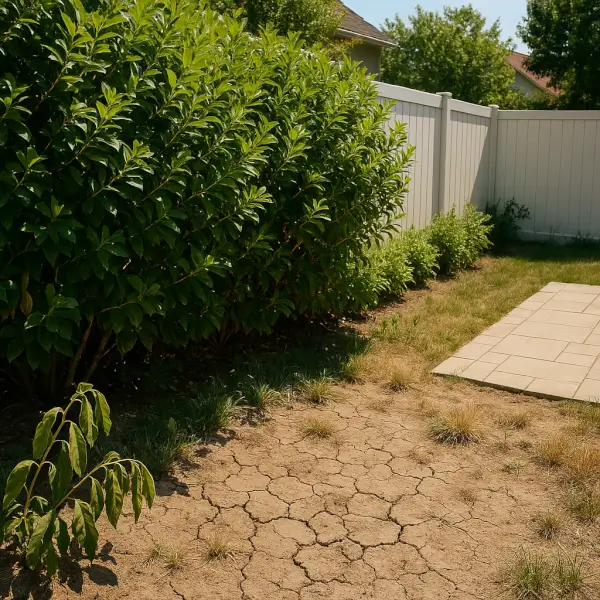
Walk through most Orangevale yards and you will spot the same issues. Dead patches near the fence. Shrubs jammed shoulder to shoulder. A patio baking in full sun with no shade tree in sight.
These problems start with poor planning, not bad luck. Orangevale’s clay-heavy soil and triple-digit summers punish mismatched plants. The wrong species in the wrong spot will struggle no matter how much water you throw at it.
Here are the most common placement mistakes we find during site visits:
A professional site assessment catches these issues before a single hole gets dug. We check sun exposure, soil drainage, mature plant size, and root spread. According to local population and housing data Orangevale has thousands of established homes with older landscapes that were never planned for today’s heat and water costs.
Fixing placement now saves you from tearing out dead plants later. The right tree in the right spot cools your home, lifts curb appeal, and grows stronger every year.
Hiring the wrong landscaper costs you twice. Once for the bad job, and again to fix it. A little homework up front protects your yard and your wallet.
Orangevale is a tight community. Neighbors talk, and word spreads fast about which crews show up on time and which ones cut corners. Start by asking the people on your street who planted their trees. Then back up those tips with hard checks before you sign anything.
Use this checklist when you compare landscapers:
Watch for red flags too. Cash-only deals, vague timelines, and pressure to decide today all point to trouble. A solid company takes time to walk your yard, ask questions, and explain species choices before quoting a price.
You are trusting someone to shape your yard for the next twenty years. Spend an extra hour checking credentials and reading reviews. The right crew will earn the job by showing their work, not by rushing you into a signature.
You booked the planting date. Now a little prep work on your end makes the whole day run smoother. A ready yard means faster work, fewer surprises, and better results for your new trees and shrubs.
Most planting delays come from things the crew cannot control. Hidden sprinkler lines. Blocked gates. Unclear plant placement. Handle these items in the days before we arrive and your appointment stays on track.
Here is a simple checklist to work through the week of your visit:
A quick walk-through with the lead crew member on arrival seals the plan. Point out flagged lines, confirm placements, and share any last questions. Ten minutes of prep talk saves an hour of guesswork later.
The more ready your yard is, the faster your new plants get in the ground and start growing.
Planting day should feel organized, not chaotic. When you hire a skilled crew, every step happens in the right order. Here is what a proper planting visit looks like from start to finish.
The work starts before any shovel hits the dirt. We walk the yard with you, confirm plant placements, and check soil conditions one more time. Then the real planting begins.
Step | What Happens |
Soil check | We test depth and drainage at each spot before digging starts. |
Hole digging | Holes are dug two to three times wider than the root ball. |
Soil amending | Backfill is mixed with gypsum or compost to match each species. |
Plant setting | Each plant sits at the right depth with the root collar just above grade. |
Deep watering | Every tree and shrub gets a slow, deep soak right after placement. |
A few details separate a lasting planting from one that fails in year two. Wide holes let young roots spread out into loose soil instead of circling in a tight pocket. Orangevale’s heavy clay fights root growth, so we often work gypsum or compost into the backfill to open up the soil structure.
Depth matters just as much as width. A plant set too deep will rot at the crown. A plant set too high will dry out and lean. The root collar, where the trunk meets the roots, should sit just above the surrounding grade.
That first deep watering closes air pockets around the roots and settles the soil. We finish with a clean mulch ring and a walk-through so you see exactly what got planted and where.
Before the crew packs up, take ten minutes to walk the yard with the lead installer. A quick quality check on planting day catches small issues while they are still easy to fix. Waiting a week makes every problem harder to solve.
You do not need to be a plant expert to spot good work from bad. Use your eyes, your hands, and a simple list. Here is what to check on every new tree and shrub before the truck leaves.
Mulch rings should be two to four inches deep and pulled back a few inches from the trunk. Mulch piled against bark traps moisture and invites rot. A clean, donut-shaped ring is what you want to see.
Each plant should stand straight on its own. Push gently on the trunk. It should not wobble loose or lean to one side. If it does, the backfill was not firmed in properly.
Look closely at branches and leaves. Transport and handling can crack limbs or strip bark. Point out any damage right away so the crew can prune or replace the plant before leaving.
Turn on your irrigation and watch the water hit the ground. Every new tree and shrub needs coverage from a sprinkler head or drip emitter. In the Villa del Rio area, drip lines can shift during digging, so confirm each emitter reaches its target during dry season.
Finally, ask for a written care schedule covering the first 90 days. Watering days, mulch checks, and the six-month follow-up should all be spelled out on paper. A crew that hands you a clear plan stands behind the work.
Planting day is only the start. The first two years decide whether your new trees and shrubs thrive or fail. A simple care routine protects the money you just spent and keeps your yard looking full.
Orangevale gets low annual rainfall and long stretches of dry heat. Without a steady watering plan, even the best planting job will struggle by August. A drip system or deep-soak schedule keeps roots cool and growing through summer.
Here is the maintenance rhythm we recommend for every new planting:
Pay attention to how your plants look week to week. Drooping leaves, sudden yellowing, or thin new growth all signal something is off. Catching these signs early usually means a simple fix like adjusting water or adding iron.
Call your landscaper at the first sign of trouble. A quick visit in month three beats a full replacement in year two. With steady care, your trees and shrubs will keep growing stronger every season.
Tree and shrub planting costs in Orangevale vary based on plant size, species, and yard conditions. Most homeowners spend between 150 and 600 dollars per tree installed, and 50 to 150 dollars per shrub. Larger specimen trees, amended soil work, and irrigation adjustments add to the total. A written quote from your landscaper should break down plant cost, labor, soil amendments, and mulch separately so you can see exactly where your money goes and compare bids fairly.
Yes, we guarantee the trees and shrubs we plant when you follow our written care schedule. Most plantings carry a one-year warranty covering replacement of any tree or shrub that fails from installation issues, not from neglect or weather extremes. The guarantee requires proof of watering, undisturbed mulch rings, and the six-month checkup visit. Ask for warranty terms in writing before booking. A crew that stands behind their work will gladly put the details on paper.
You should book a planting appointment two to four weeks in advance during peak seasons. Fall and early spring fill up fast in Orangevale since those windows give the best root establishment before summer heat. Booking early also lets your landscaper source the exact species and sizes you want from local nurseries. For large projects with many trees or specialty plants, four to six weeks gives the crew time to plan soil amendments and confirm delivery.
Yes, helping you pick plants is part of a proper site visit. We walk your yard, check sun exposure, soil drainage, and mature space available, then suggest species that match Orangevale’s climate and your goals. Whether you want shade, privacy, flowers, or low water use, we narrow the list to plants that will actually thrive. You get a written plant list and placement map before any work starts, so every choice is clear before digging begins.
Serving: Orangevale, Fair Oaks, Folsom, Roseville, Rocklin, Granite Bay, Citrus Heights, Rancho Cordova, Elk Grove, Auburn, Lincoln, Fairfield, El Dorado Hills, and Beyond