

CA-27 #412296
Since 1980
Local team. No pressure. No spam.
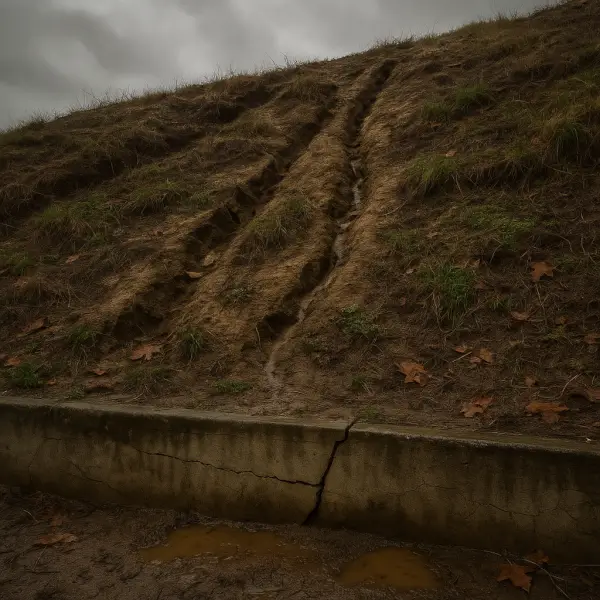
A steep slope that sheds mud, grows weeds, and feels unsafe is a real problem. Winter storms in Orangevale make it worse every year. You want a yard that holds its soil, looks good, and stays safe to walk near.
Hillside landscaping in Orangevale fixes all three issues at once. The right plants, grading, and drainage work together to lock your slope in place.
This page walks you through planning a project, comparing contractors, and knowing what a skilled crew should do on your property.
Native and drought-tolerant plants work best for hillside landscaping in Orangevale, CA. Deep-rooted shrubs and ground covers hold soil in place and need very little water once established. Strong choices include toyon, coyote brush, and native bunch grasses.
Pairing the right plants with good grading sets your slope up to last.
Your slope tells you when it is in trouble. The signs show up slowly at first, then all at once after a big storm. Catching them early saves you money and protects your home from serious damage.
Orangevale winters bring heavy rain that hits unprotected soil hard. A hillside without strong roots or good drainage can lose inches of topsoil in a single storm. That is why spotting the warning signs early matters so much.
Watch for these five clear signals on your slope:
One or two of these signs is a warning. Three or more means you need a pro to step in soon. Waiting another winter usually makes the repair bigger and the cost higher.
We see these problems across Orangevale every year. The good news is that each sign has a fix, from regrading to planting deep-rooted natives to adding drainage. Your first step is a slope walk with someone who knows local soil and storm patterns.
Picking the right crew for slope work is different from hiring a general landscaper. Flat yard experience does not prepare a team for grading, drainage, and erosion control. You need someone who has done real hillside projects and can show the results.
Start by asking to see photos of finished slope jobs. A crew that works on hillsides regularly will have before and after shots ready. If a contractor only shows flat lawns and patios, keep looking.
Here are the steps we recommend when comparing contractors:
1. Review slope-specific photos. Ask for three to five past hillside projects in the Orangevale or greater Sacramento area.
2. Ask about grading and erosion control. The crew should explain how they shape slopes and stop runoff in plain terms.
3. Verify license and insurance. Check the California contractor license online and ask for proof of active liability coverage.
4. Read local reviews. Look for feedback from Orangevale, Fair Oaks, or Citrus Heights homeowners who hired them for slope work. You can also look up a company’s business profile on a directory like this verified listings platform to confirm they are established.
5. Get two written bids. Compare the scope, materials, and warranty terms. Do not focus only on the bottom line.
In the Antelope area near Orangevale, several landscapers work on slopes regularly. That means local referrals from neighbors carry real weight. Ask around before you sign anything.
A low bid that skips erosion fabric or proper grading will cost you more after the first winter. Pay for the right scope the first time and your slope will hold for years.
A little prep work on your end makes the whole project run faster. When the crew shows up to a ready site, they can focus on the slope instead of moving your stuff. That saves you money and cuts the total days on the job.
Start with permits. Sacramento County may require a grading or landscaping permit for bigger slope projects. Orangevale properties near Maidu Drive often need one for significant work. Call the county or ask your contractor to confirm before the first shovel hits the ground.
Here is a simple checklist to work through the week before your start date:
Task | Why It Matters |
Confirm permit status with Sacramento County | Avoids stop-work orders and fines mid-project |
Clear personal items, hoses, and furniture | Gives the crew safe, open access to the slope |
Mark irrigation lines, gas lines, and cables | Prevents costly strikes and service outages |
Discuss water access points with your crew | Keeps installation and planting on schedule |
Plan for limited yard access for several days | Sets family and pet routines around the work zone |
Mark buried lines with small flags or spray paint. If you are not sure where gas or power runs, call 811 for a free locate service before the crew arrives. This one step protects everyone on site.
Talk with your landscaper about where they will pull water for planting and cleanup. Most crews need a standard outdoor spigot close to the work area. If yours is far from the slope, let them know early so they can bring hoses.
Expect your yard to be off-limits for three to five days. Move bikes, grills, and kids’ toys into the garage ahead of time.
Once your project starts, a good crew works in a set order. Each step builds on the last. Skipping one or doing them out of order is how slopes fail after the first big storm.
Here is what a skilled Orangevale hillside crew does, step by step:
Every step matters. Grading without erosion fabric leaves bare soil open to the next storm. Planting without soil amendments means weak roots in hard clay. Irrigation before grading gets torn out and wasted.
A good foreman will walk you through the slope at the end of each day. You should see progress and understand what comes next. Ask questions if something looks off. A pro welcomes the check-in and uses it to keep the job on track.
The job is not truly finished when the crew drives away. The real test comes with the first rain and the first hot stretch. A quick inspection routine helps you catch small issues before they grow into big ones.
Walk the entire slope after the first heavy rain. Look for new runoff channels, small washes, or spots where fabric has shifted. These are signs water is moving in a way no one planned for. A good contractor will come back and adjust at no cost during the warranty window.
Check the drip irrigation system next. Every plant should have a working emitter that drips steadily, not sprays or runs dry. Clogged emitters are common after install because soil and debris can block the lines. Clean or replace any that fail a quick hand check.
Look closely at the top edge and the base of the slope. Some settling is normal in the first month. But deep cracks, sliding soil, or plants tilting downhill mean something deeper needs attention. Call your crew back if you see any of these.
Confirm every plant is upright and rooted firmly. Gently tug a few stems. If a plant lifts out or roots sit above the soil line, it was planted too shallow and needs to be reset.
Ask your landscaper for a written 90-day care schedule. It should list watering times, mulch checks, and weed pulls by week.
Orangevale summers are dry and hot. New hillside plants need close watering checks in June and July to survive their first season. Miss a week and you can lose a whole section.
A finished slope is not a set-and-forget project. Small tasks through the year keep roots strong, soil in place, and plants healthy. Miss these steps and your hillside slowly drifts back to bare, eroding soil.
The good news is the work is light. A few hours each season is all it takes to protect the money you spent on the install.
Here is a simple seasonal rhythm to follow:
Keep an eye on weeds too. Pull them by hand while they are small. Letting them go to seed means more work every year after.
In the Citrus Heights adjacent parts of Orangevale, fire-safe spacing also matters. Keep shrubs trimmed and spaced so flames cannot jump plant to plant. This protects your home and your hillside at the same time.
Stick with this routine and your slope stays strong, green, and safe for years.
Hillside landscaping in Orangevale typically costs more than flat-yard work because of grading, erosion control, and specialized labor. Most residential slope projects range from about 15 to 40 dollars per square foot, depending on steepness, access, soil condition, and whether retaining walls are needed. A small reshaping and replanting job may land under 5,000 dollars, while a full grading, drainage, wall, and planting package can run 20,000 dollars or more. Get two written bids with clear scope so you can compare materials, warranty, and erosion measures fairly.
The best time to schedule hillside landscaping in Orangevale is early fall, from late September through November. Fall installs let native plants settle roots during mild weather and benefit from winter rains, which means less irrigation and stronger erosion control by spring. Late winter and early spring are a solid second choice. Avoid starting a full slope project in mid-summer heat or during heavy winter storms. Book your consultation six to eight weeks ahead, since good crews fill their fall calendars quickly across the Sacramento area.
You may need a permit for hillside landscaping in Orangevale, depending on the scope of work. Sacramento County often requires a grading permit when projects move large volumes of soil, change drainage patterns, or involve retaining walls over four feet tall. Simple replanting and mulching usually do not need one. Before any shovel work begins, call Sacramento County Building Permits or ask your contractor to confirm. A licensed crew should handle permit pulls for you and factor the timeline into the project schedule.
A hillside landscaping project usually takes three to ten working days, depending on the slope size, scope, and access. Small replanting and erosion fabric jobs often wrap in two or three days. Mid-size projects with grading, soil amendments, drip irrigation, and planting run about a week. Larger jobs that include retaining walls, drainage systems, or difficult equipment access can stretch to two or three weeks. Weather delays during rain can add time. Ask your contractor for a written schedule with start, milestone, and finish dates before the crew begins.
Serving: Orangevale, Fair Oaks, Folsom, Roseville, Rocklin, Granite Bay, Citrus Heights, Rancho Cordova, Elk Grove, Auburn, Lincoln, Fairfield, El Dorado Hills, and Beyond