

CA-27 #412296
Since 1980
Local team. No pressure. No spam.
Dry summers in Orangevale push water bills higher every year, and tired lawns only make it worse. Drought-tolerant landscaping in Orangevale gives you a yard that looks great and sips water instead of guzzling it.
Our licensed team turns struggling turf into a space built for Sacramento Valley heat. You get the right plants, smart drip irrigation, and clean hardscape that fits your home.
Below, you will find the full process, the best plants for our zone, and what to expect when a pro landscaper handles the job for you.
Orangevale sits in USDA Zone 9b with hot, dry summers and mild winters. Native and Mediterranean plants handle these conditions well. For drought-tolerant landscaping in Orangevale, a local pro picks varieties that thrive in Sacramento Valley heat.
Your landscaper matches each plant to the right spot in your yard.
A good plan saves you money and protects every plant you put in the ground. Before we dig or plant anything, we walk your property and study how it behaves through the day. This early step is where most yard projects succeed or fail.
We start with a full site assessment. That means tracking sun patterns, shade pockets, wind exposure, and the spots that dry out first. Your front yard often bakes harder than your side yard, and that changes the plant list.
Next comes the soil. Orangevale soil often contains heavy clay that holds too much water in winter and bakes hard in summer. A quick soil test tells us if we need to amend beds, add gypsum, or raise planting areas for better drainage.
Here is what we check during the planning visit:
We also look at your existing irrigation. Old spray heads waste gallons every week, and swapping to drip lines often cuts use in half. If your timer is dated, we note that too.
Finally, we flag trouble areas before they cost you plants. A slope that sheds water, a low spot that floods, or a hard clay patch near the fence all need fixes first. With a clear plan in hand, the install goes faster and your new yard thrives from day one.
Swapping turf for a low-water yard changes your monthly bills and your weekend workload. A traditional lawn drinks gallons every single day through July and August. A smart design built for our climate cuts that waste without cutting curb appeal.
Here is what the switch actually gives you:
Traditional Lawn | Drought-Tolerant Yard |
High weekly water use | Up to 50 percent less water |
Mow, edge, and fertilize often | Trim and refresh a few times a year |
Chemicals and pest sprays | Fewer treatments needed |
Fades fast in heat | Built for Zone 9b summers |
Native and Mediterranean plants are the quiet win here. Once roots settle in, they handle heat on their own and shrug off local pests. You spend less on fertilizer, less on replacement plants, and less time behind a mower.
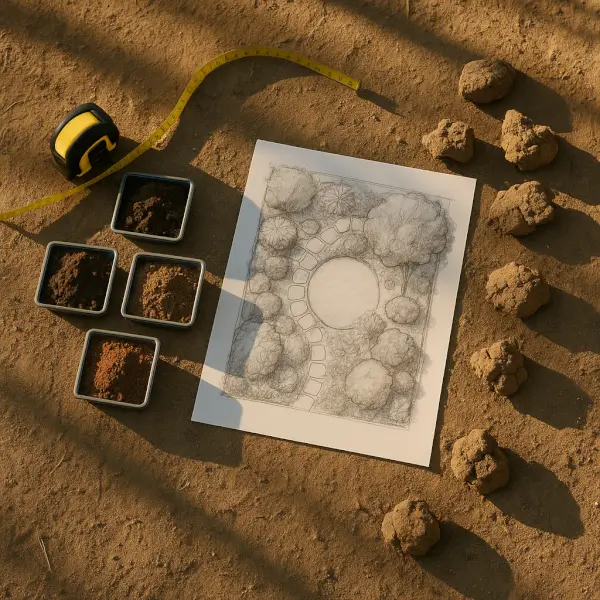
We design most yards around the 70/30 rule. That means 70 percent low-water plants and 30 percent hardscape like decomposed granite, pavers, or river rock. The mix keeps the space soft and green while giving you clean paths and resting spots for the eye.
Cost matters too. Orangevale falls under mandatory water restrictions during drought years, so reducing outdoor use now protects you from future limits and potential fines. Sacramento-area rebate programs may help offset your installation costs, and we will walk you through how to apply.
Homeowners who want to see how other regions tackle water savings can browse recent coverage of smart irrigation and outdoor tech trends for ideas. When you are ready, we match the right plan to your yard, your budget, and your goals.
A little prep on your end makes the whole project move faster. Before our crew rolls up, a few simple steps protect your yard, your neighbors, and your budget. Here is how to get ready.
Follow these steps in order before install day:
Permits are simpler than most people expect. Swapping turf for plants usually needs no permit at all. Grading work, new drains, or tall walls are the items that trigger county review.
Once your approvals are in and the yard is clear, we can start on schedule. Good prep is the quiet reason projects finish clean, on time, and without surprise costs.
Install week is where your plan becomes a real yard. A good crew works in a clear order so nothing gets missed and nothing gets wasted. You should know what happens each day so there are no surprises in your driveway.
We start by removing old turf and any dead plants down to bare soil. Then we amend the ground with compost, gypsum, or sand based on what your soil test showed. This step is the one most DIY projects skip, and it is why their plants fail by year two.
Next, we run drip irrigation lines across every bed before plants go in. Putting lines down first means every future plant gets water right at the root. It also protects your new plants from getting stepped on or crushed during trenching.
Then the fun part starts. Plants go in based on water needs, sun exposure, and your approved design. Thirsty plants cluster together on one valve, and tough sun lovers get their own zone. This simple grouping is called hydrozoning, and it keeps your water bill low for years.
After planting, we fill open spaces with decomposed granite, river rock, or bark mulch. These materials block weeds, hold soil in place, and tie the whole yard together. Clean edges and crisp borders give the finished look homeowners want.
Most residential projects in Orangevale take one to three weeks from start to finish. Yard size, hardscape choices, and weather all shift that window a little.
Orangevale summers are brutal, so we often plant in spring or fall to reduce transplant stress. Cooler weather gives roots time to settle before the heat hits.
The first two weeks after install set up your yard for the next ten years. A quick walk-through with your landscaper catches small issues before they turn into dead plants or soggy corners. You do not need tools or training for this part, just a careful eye.
Start by walking every bed and checking the drip emitters. Each plant should have at least one emitter aimed at its root zone, not the stem or the open dirt. Turn the system on for a few minutes and watch where the water actually lands.
Then check your mulch depth. A good layer runs at least three inches deep across every bed, right up to (but not touching) the plant stems. Thin spots dry out fast and invite weeds, so top them off early.
Look for standing water after the system runs a full cycle. A puddle that sits more than an hour points to a drainage issue we need to fix. In Orangevale’s clay soil, slow drainage is common and easy to solve with a quick bed adjustment.
Next, open your irrigation timer and confirm the schedule. Your landscaper sets it for the current season, but you should know how to read it.
Orangevale’s summer heat can stress new plants fast, so checking the drip system in week one matters most. Finally, scan the plant list and flag any yellowing, wilting, or odd leaf drop. Call us early, and most fixes take minutes instead of replacements.
A water-wise yard is low-work, not no-work. A few smart habits through the year keep your plants full, your beds clean, and your water bill low. None of this takes a full weekend.
Spring cleanup sets the tone. Cut back ornamental grasses like deer grass to about four inches tall before new blades push up. Trim perennials like salvia and lavender to shape them and spark fresh growth. Pull any winter weeds while the soil is still soft.
Mulch is your quiet workhorse. Refresh bark or wood mulch every one to two years to keep weeds down and hold soil moisture in. A clean three-inch layer also protects roots from summer heat spikes. Decomposed granite paths just need a quick rake and a top-off every few years.
Your drip timer needs small seasonal tweaks too. Bump run times up as summer heats up, then pull them back in fall. Orangevale gets most of its rain between November and March, so reducing irrigation in winter prevents root rot. Shutting the system off during wet weeks also saves gallons.
When a plant fails, swap it in fast. Empty spots invite weeds, and weeds steal water from the plants you want. We can match the replacement to the original design so the yard still reads as one clean space.
Once a year, book a checkup with us. A short visit catches clogged emitters, cracked lines, drifting timer settings, and early pest signs. Small fixes now prevent big replacements later.
Homeowners near Hazel Avenue tell us this routine keeps their yards sharp with just a few hours of care each season. That is the whole point of going drought-tolerant in the first place.
Drought-tolerant landscaping in Orangevale typically ranges from about 8 to 20 dollars per square foot installed, depending on plant selection, hardscape materials, and drip irrigation scope. A small front yard conversion often lands between 4,000 and 9,000 dollars, while full property redesigns can reach 20,000 or more. Sacramento area turf replacement rebates may offset part of the cost. We provide a written estimate after the site visit so you see plant counts, materials, labor, and timeline before any work starts.
A drought-tolerant landscape installation in Orangevale usually takes one to three weeks from the first day on site to final cleanup. Smaller front yards with simple drip updates wrap up in about five working days. Larger projects with grading, hardscape, and custom plant beds run closer to three weeks. Weather, HOA approvals, and material lead times can shift the window slightly. We share a clear daily schedule before install week so you know exactly what happens in your yard each day.
The best time to schedule drought-tolerant landscaping in Orangevale is fall, from October through early December, followed by spring between March and May. Cooler temperatures let new roots settle before summer heat hits, which cuts transplant stress and watering demand. We still install during summer when needed, but we adjust the care schedule and shade young plants as required. Booking two to three months ahead gives us time to finalize the design, pull any approvals, and order plants.
Yes, we back our Orangevale drought-tolerant installations with a written plant and workmanship warranty. Plants we install and maintain are typically guaranteed for 30 to 90 days against establishment failure, as long as the drip system stays on our recommended schedule. Drip irrigation parts, hardscape, and labor carry a one-year workmanship warranty. If something fails because of a design or install issue, we replace it at no cost. Full terms are listed in your project contract before work begins.
Serving: Orangevale, Fair Oaks, Folsom, Roseville, Rocklin, Granite Bay, Citrus Heights, Rancho Cordova, Elk Grove, Auburn, Lincoln, Fairfield, El Dorado Hills, and Beyond