

CA-27 #412296
Since 1980
Local team. No pressure. No spam.
Orangevale summers push sprinkler systems hard. When heads crack, valves leak, or zones stop turning on, your lawn pays the price fast. Sprinkler repair and replacement in Orangevale, CA starts with finding the real problem before dry patches spread.
You need clear answers about what is broken and what it takes to fix it. Sometimes a quick part swap does the job. Other times, an older system needs a full replacement to stop wasting water and money.
This page walks you through the warning signs, the repair process, and the seasonal care that keeps your system running strong.
Most residential sprinkler systems in Orangevale last 15 to 20 years with proper care. Hot Sacramento Valley summers and hard water shorten that lifespan. Regular service helps systems reach their full life.
Knowing your system’s age helps you plan ahead for repairs or a full upgrade in Orangevale.
Your lawn tells you when something is wrong with your sprinklers. You just have to know what to look for. Catching problems early saves water, saves money, and keeps your grass from dying in the Orangevale heat. Here are the warning signs that mean it is time to call for a repair.
Dry brown patches in the lawn usually point to a broken or clogged head. If one area stays green while another turns crispy, that zone is not getting water. A single failed head can leave a big dead spot in just a few days during summer.
Puddles or soggy soil near a sprinkler head tell you something is leaking below ground. A cracked pipe fitting or a bad valve seal lets water pool where it should not. You will notice soft muddy spots even on days when the system has not run.
Weak or uneven spray means a head is worn out or blocked with dirt. You may see water dribbling instead of spraying in a full arc. Mineral buildup from Orangevale’s hard water clogs nozzles and cuts pressure over time.
A zone that will not turn on at all often has a failed solenoid inside the valve. The controller sends the signal, but the valve never opens. This is one of the most common electrical failures in residential systems.
Sputtering or tilted heads are easy to spot from your driveway or patio. A head that leans to one side throws water off target. A head that sputters and spits has air in the line or a cracked riser beneath it.
Orangevale’s clay-heavy soil shifts during dry spells and can crack buried lines without warning. The ground expands when wet and contracts when dry. That constant movement puts stress on pipe joints and fittings all year long. If you notice any of these signs, a repair visit can pinpoint the problem before your lawn suffers more damage.
Not every sprinkler problem calls for the same solution. Sometimes a quick fix gets you back on track for a few dollars. Other times, pouring money into an old system just delays the bigger bill. Knowing when to repair and when to replace saves you real money over the long run.
A good rule of thumb is the three-times rule. If the cost to fix a part is more than three times what that part is worth, replacement makes more sense. A $15 sprinkler head that needs $60 in labor and fittings to keep alive is telling you something. That math adds up fast when multiple parts fail close together.
A single broken head or one bad valve is almost always worth fixing on the spot. These are small parts with simple swaps. Your tech can handle them in minutes. But when two or three zones fail at the same time, the problem usually runs deeper. A failing controller or a cracked main line affects every zone it feeds.
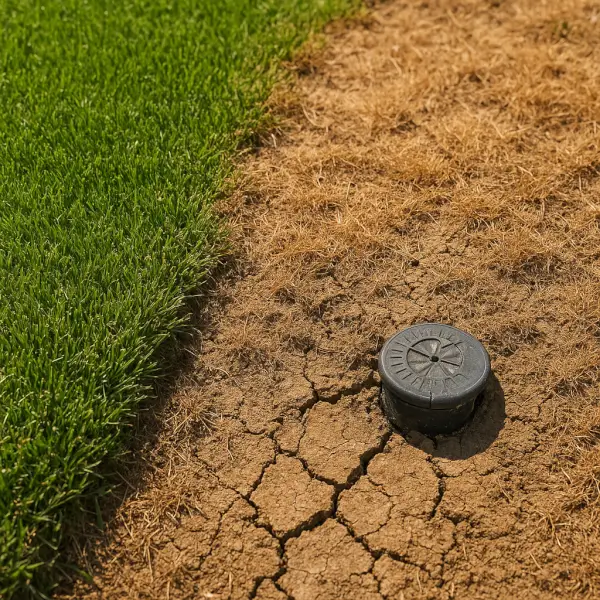
Systems older than 15 years with repeated breakdowns often cost less to replace fully. According to research on advanced irrigation controls, homeowners using modern smart controllers and updated heads see an average 30% reduction in outdoor water use compared to older systems.. New heads, valves, and smart controllers pay for themselves through lower water bills.
In the Citrus Heights border area near Orangevale, older tract homes often have sprinkler systems installed in the 1980s. Those systems are well past their useful life. The pipes are brittle, the heads are outdated, and replacement parts are harder to find. If your home sits in one of these older neighborhoods, a full system replacement gives you better coverage, modern parts, and fewer emergency calls during the hottest months of the year.
A little prep work before your technician arrives makes the whole visit faster and cheaper. You do not need any tools or special knowledge. Just a few minutes in your yard and inside your garage can cut diagnosis time in half. Here is what to do the day before or morning of your appointment.
Locate your main water shutoff valve. Your tech may need to turn water off and on several times during the repair. Most Orangevale homes have the shutoff near the front of the house or in the garage. Knowing where it is saves five to ten minutes of searching.
Find your sprinkler controller and write down the brand and model. The controller is usually mounted in the garage or on an exterior wall. Snap a photo of the front panel and the programming screen. If your tech knows the brand ahead of time, they can bring the right replacement parts on the first trip.
Walk your entire yard and mark problem spots. Stick a small flag or stake next to any head that leaks, sputters, or does not pop up. Note which zones run weak or skip entirely. Write down when you first noticed each problem and how many days per week that zone runs. These details help your tech zero in on the issue without guessing.
Clear access to every valve box and sprinkler head. Pull back ground cover, move potted plants, and trim any low branches that block the path. Orangevale lots often have deep valve boxes buried under mulch or bark. Digging those out before the visit saves real time and keeps your service bill lower. Some boxes sit six inches or more below the surface after years of mulch buildup.
Make a short list of questions you want answered. Ask about the age of your parts, whether your controller needs an upgrade, and what seasonal care you should be doing. A good technician welcomes questions because it means you care about your system. Having your notes ready turns a repair visit into a chance to learn how to prevent the next breakdown.
Knowing what your technician does during a repair visit takes the mystery out of the process. Every step has a purpose, and each one builds on the last. Here is what a typical service call looks like from start to finish at your Orangevale home.
The visit starts at your sprinkler controller. Your tech powers up each zone one at a time and watches what happens in the yard. This zone-by-zone walkthrough reveals broken heads, leaks, low pressure spots, and zones that fail to activate. Running every zone also shows whether the controller is sending signals correctly or skipping programmed cycles.
Once the tech maps out the problems, hands-on repairs begin right away.
Orangevale water pressure can vary by street. Homes closer to the main supply lines often run higher PSI than homes at the end of a residential loop. Your tech accounts for this by selecting head types and nozzle sizes that match your specific pressure. A head rated for high pressure on a low-pressure street sprays weak and leaves dry spots. The wrong match in the other direction causes misting and water waste.
Most standard repair visits in Orangevale wrap up within one to two hours. Simple fixes like a single head swap or a solenoid replacement take even less time. Larger jobs involving multiple zones or buried line repairs may run a bit longer. Your tech will give you a time estimate after the initial walkthrough so you know what to expect before any work starts.
Your technician just left, and everything looks good. But how do you know the repair actually solved the problem? A few simple checks over the next two weeks give you real proof that your system is working the way it should. You do not need any tools. You just need your eyes, your feet, and about 20 minutes.
Start by running every zone manually from your controller. Stand in the yard and watch each head pop up and spray. Look for full, even arcs that overlap with the next head’s coverage. Every strip of grass between two heads should get water from both sides. If you see a gap where no spray lands, that head may need a nozzle adjustment or a repositioning.
In the Orangevale area near Hazel Avenue, homes sit on larger lots with sprinkler heads spread far apart. Walk the full property line during your test run. Heads at the far edges of a big yard are the easiest to overlook during a repair. A head that looked fine from the patio may not be reaching the back fence line at all. Take that walk and watch the last row of heads spray to the boundary.
The real test comes over the next two weeks. Keep your normal watering schedule and watch your lawn respond. Green, even growth across every zone tells you coverage and flow are dialed in. Brown patches that return in the same spots mean the root cause was not fully fixed. Soft muddy areas that show up again point to a leak that needs a second look. A good repair shows results fast in Orangevale’s warm weather because grass responds quickly when it gets the right amount of water in the right places.
The best way to avoid a big repair bill is to stay ahead of the damage before it starts. Sprinkler systems break down faster when no one checks on them between seasons. A simple care routine spread across the year keeps your system running strong and your water bill low. Orangevale summers regularly top 100 degrees, and that heat dries out sprinkler seals and warps plastic heads faster than cooler climates. What holds up fine in spring can crack and fail by August if you skip seasonal checkups.
Schedule an annual inspection each spring before summer watering demand peaks. This is the single most important thing you can do for your system. A spring visit catches cracked heads, stuck valves, and controller errors while the stakes are still low. Fixing a $12 head in April is a lot cheaper than replacing a dead lawn in July. Your tech can also test water pressure and make sure every zone covers the ground it is supposed to cover.
When fall arrives, your yard needs less water. Shorter days and cooler nights mean lower evaporation rates. Drop your run times by 20 to 30 percent in October. Many homeowners forget this step and keep running their summer schedule straight through November. That wastes water and keeps the soil too wet, which invites root rot and fungus problems in your lawn.
After the first heavy rain of the season, walk your yard and look at every head you can find. Rain-soaked soil shifts and settles, pushing heads out of alignment or pulling them below grade. A head that sinks even half an inch loses spray distance and leaves dry spots. Cracked risers show up after ground movement too. A quick visual pass takes ten minutes and catches problems before your next watering cycle pushes water through a broken fitting.
Flush your drip lines each spring to clear mineral buildup from Orangevale’s hard water. Calcium and lime deposits collect inside emitters and tubing over the winter months. Open the end caps on each drip line and let water run through for two to three minutes. You will see white grit and sediment wash out. Clean emitters deliver water evenly to every plant in the bed.
A smart controller is one of the best upgrades you can add to your system. These controllers read local weather data and adjust run times on their own during heat waves. When Orangevale hits a week of triple-digit days, your smart controller adds water automatically. When a cool spell rolls through, it pulls back. You save water without lifting a finger, and your system runs only when your yard actually needs it. Pair that with your annual spring inspection and your fall adjustments, and you have a system that lasts years longer with far fewer emergency repair calls.
A typical sprinkler repair in Orangevale costs between $150 and $500 depending on the scope of work. Simple fixes like replacing a single broken head or swapping a faulty solenoid fall on the lower end. More involved repairs such as fixing cracked underground pipes or replacing multiple valves push the cost higher. Your technician will give you a clear estimate after an initial walkthrough of your system so you know the total before any work begins.
A sprinkler repair technician can typically come out to your Orangevale home within one to three business days during normal demand periods. During peak summer months from June through August, schedules fill up faster, so booking a week ahead is a good idea. If you have an active leak or a major system failure wasting water, same-day or next-day emergency visits are often available. Calling early in the week usually gives you the best chance at a quick appointment.
Whether you need a permit for sprinkler system replacement in Orangevale depends on the scope of the project. Minor repairs and head swaps do not require permits. However, a full system replacement that involves new main line installation or changes to the backflow preventer connection may require a permit from Sacramento County. Your technician should know the local requirements and can advise you during the estimate phase so the project stays compliant from the start.
Sprinkler repairs can absolutely be done during Orangevale’s hot summer months, and summer is actually the busiest season for service calls. Most repairs take one to two hours and your system goes right back into operation the same day. Technicians work with the water supply cycling on and off during the visit, so your lawn is only without water for a short window. Scheduling repairs quickly in summer prevents dry patches from spreading and keeps your yard healthy through the heat.
Serving: Orangevale, Fair Oaks, Folsom, Roseville, Rocklin, Granite Bay, Citrus Heights, Rancho Cordova, Elk Grove, Auburn, Lincoln, Fairfield, El Dorado Hills, and Beyond