

CA-27 #412296
Since 1980
Local team. No pressure. No spam.
Patchy lawns, dead shrubs, and wasted space make your yard hard to enjoy. Orangevale homeowners want yards that look good and stand up to hot Sacramento Valley summers. The right garden design in Orangevale fixes those problems before you spend money on plants that fail.
A skilled landscaper turns your outdoor space into a yard you actually use. That starts with a clear plan built around your soil, sun, and how you live.
This page walks you through what professional garden design includes and how each step works here in Orangevale.
A garden designer plans plants, beds, and outdoor layouts for homes. A landscape architect holds a state license and handles grading, drainage, and large civil projects. Most homeowners hiring for garden design in Orangevale, CA need a designer, not an architect.
Ask your pro which service fits your yard size and goals before you sign anything.
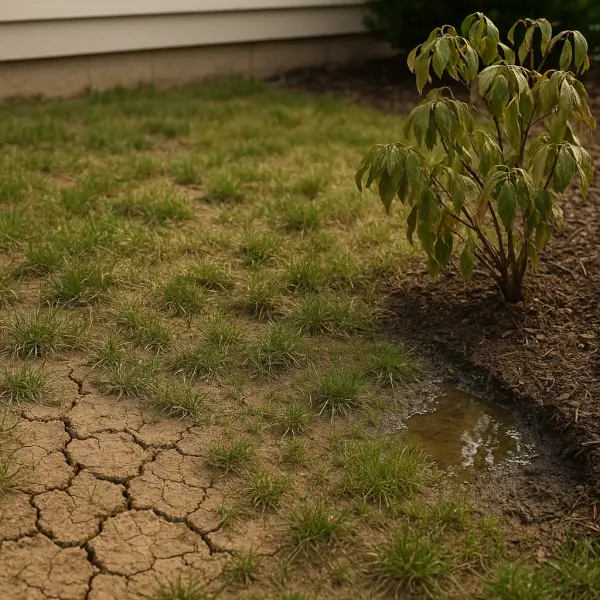
Patchy grass, dying shrubs, and muddy corners are not random. They come from real causes that a design plan can pinpoint and fix. Most Orangevale yards struggle with the same handful of issues, and once you name them, you can solve them for good.
Orangevale sits on heavy clay soil that holds water in winter and bakes hard in summer. That combination kills plants that are not chosen for this climate. A design plan starts by reading your soil, sun, and slope before any shovel hits the dirt.
Here is what a proper diagnosis uncovers in your yard:
You also get a clear read on which areas are worth saving and which need a full reset. That matters because guessing leads to wasted money on plants that die in one season.
We walk your property and write down every problem area before we sketch a single idea. You see the same yard we see, with notes on what is fighting your plants. By the end of the visit, you know exactly what your yard needs and what it does not. That clarity is the first real step toward a yard you actually enjoy.
Picking a garden designer is a big decision. The wrong choice costs you money, time, and a yard that still does not work. The right one saves you from replanting and rework down the road.
Start by asking to see real projects they finished in the Orangevale area. Photos of yards near yours show you what their style looks like in your climate. Drive by a few if you can.
Next, test their local knowledge with a few simple questions:
A designer who lives and works in the Orangevale area knows local water restrictions and heat patterns. That local knowledge shows up in plants that live and bills that stay low.
Ask about the 70/30 rule. A good designer explains it plainly. The rule keeps soft plants and hardscape in balance so your yard does not feel crowded or empty. If they cannot explain it in simple terms, keep looking.
Watch how they communicate from the first call. You want clear next steps, a written plan, and quick answers to your questions. Vague timelines and one-word emails are warning signs.
The best designers also ask you questions. They want to know how you use your yard each day, who lives in your house, and what you want to fix. A designer who only talks about plants is missing half the job. Pick someone who listens first.
A little prep before your first meeting makes the whole project move faster. The more your designer knows about your yard and your goals, the better the plan will be. You also avoid extra visits and back-and-forth emails later.
Start by walking your yard with your phone. Take photos from every corner, including the front, back, and side gates. Snap close-ups of problem spots like bare patches, dying shrubs, or pooling water. These pictures help your designer spot issues even after they leave.
Next, track the sun for a day or two. Note which areas get full sun, part shade, and deep shade at different times. This shapes which plants will thrive where. It also helps your designer place seating, play areas, and garden beds in the right spots.
Then make two simple lists:
Check Sacramento County rules before the meeting. Retaining walls over a certain height, large structures, and grading work often need permits. Orangevale sits inside Sacramento County, so these rules apply to most backyard hardscape jobs. Knowing this early keeps your timeline on track.
Finally, write down how you want to use the yard. Think about play space for kids, a quiet reading nook, a fire pit, or a spot to host friends. Share these goals at the meeting so the design fits your real life.
Bring your photos, lists, and notes to the consultation. You will get a sharper plan and a faster start.
A real garden design project moves through a clear order. You skip guesswork and see the full picture before any shovel hits the dirt. Here is how the process flows from your first call to a finished yard.
Designers working in the Citrus Heights and Orangevale area often phase projects to match the spring planting window. That timing gives roots a chance to set before summer heat arrives. You get stronger plants, lower water bills, and a yard that looks right the first season.
The work is done and the yard looks new. Now you need to confirm every detail matches what you paid for. A proper walkthrough protects your investment and catches small issues before they grow.
Start by walking the yard side by side with your designer. Bring the original plan with you. Compare each bed, path, and planting zone to the drawing in your hand.
What to Check | Why It Matters |
Plant species and sizes | Wrong picks fail in Orangevale heat |
Drip lines at every plant | Missed zones mean dead plants by July |
Mulch depth and bed edges | Holds moisture and stops weeds |
Hardscape placement | Matches the spacing on your plan |
Run the irrigation system while you walk. Watch each emitter pop on and confirm water hits the root zone of every new plant. Orangevale summers push past 100 degrees for weeks, so drip coverage must be right before the heat arrives. Plants with proper watering recover faster from heat stress, and the right drip setup delivers water directly to the root zone where California’s Irrigation Management Information System confirms consistent soil moisture matters most during peak summer heat.
Ask the designer to walk you through care steps for each plant type. Some natives need almost no water once rooted. Others want deep soaks every few weeks. Write the notes down or record the conversation on your phone.
Before the designer leaves, ask for these items in writing:
Keep these records in one folder. You will use them for years.
The fastest way to waste money on a yard is to plant the wrong things in the wrong spots. We see Orangevale homeowners spend thousands on plants that die in one summer. A smart plan up front saves you that pain.
Start with drought-tolerant natives like manzanita, salvia, and ceanothus. These plants handle long dry stretches without daily watering. Your water bill stays low and the yard still looks full.
Next, follow the 70/30 rule in your layout. Soft plants and lawn fill about 70 percent of the space. Hardscape like paths, patios, and gravel covers the other 30 percent. This balance keeps the yard from feeling crowded or bare.
Plan for how big plants get at full size, not how they look at the nursery:
This matters even more in the Four Seasons neighborhood. The lots there sit close together, so a wrong-sized tree can push into your neighbor’s fence fast.
Permits are the other trap. Retaining walls, grading, and big structures often need Sacramento County approval. Clear that paperwork before any digging starts. Stop-work orders cost time and money you cannot get back.
Finally, hire a designer who knows Orangevale weather, soil, and water rules. Local knowledge means plant picks work the first time.
Garden design cost in Orangevale, CA depends on yard size, plan detail, and whether install is included. Most homeowners pay a flat design fee for a measured site plan, plant list, and irrigation map, then a separate install budget for plants, mulch, and hardscape. Small front yard refreshes run lower, while full backyard redesigns with patios and drip systems cost more. Ask for a written scope so design hours, revisions, and install line items are clear before you book.
You should book a garden design consult for your Orangevale yard in late winter or early spring, before the hot Sacramento Valley summer arrives. Booking early gives the designer time to measure, plan, and order plants for the spring planting window so roots can set before July heat. Fall is the second best time because soil stays warm and winter rains help new plants establish. Avoid booking install work in peak summer when transplant shock and water stress are highest.
Whether you need a permit for garden design work in Orangevale depends on the scope. Planting beds, mulch, and drip irrigation usually do not require permits. Retaining walls over a set height, drainage changes, large grading, and permanent structures like pergolas often need Sacramento County approval. Your designer should flag any permit triggers during the planning stage and either pull the paperwork or guide you through it. Confirm permit needs before install starts to avoid stop-work orders.
Before you book a designer, you should have photos of every corner of your yard, notes on sun and shade through the day, and a short list of plants you want to keep or remove. Write down how you want to use the space, such as kids play, entertaining, or a quiet reading spot. Have a rough budget range in mind and gather any HOA or county rules that apply to your lot. This prep shortens the first meeting and sharpens the plan.
Serving: Orangevale, Fair Oaks, Folsom, Roseville, Rocklin, Granite Bay, Citrus Heights, Rancho Cordova, Elk Grove, Auburn, Lincoln, Fairfield, El Dorado Hills, and Beyond