

CA-27 #412296
Since 1980
Local team. No pressure. No spam.
Orangevale homeowners love spending evenings outside in their spacious yards. A fire pit turns that open space into a spot where family and friends gather all year long. Fire pit installation in Orangevale, CA gives you a backyard that works harder for you every season.
This page covers fire pit styles, permits, installation steps, and maintenance tips. You will know exactly what to expect before, during, and after your fire pit install.
Our landscaping team builds fire pits that improve your outdoor space and add real value. We handle the details so you can focus on enjoying the finished result.
Most fire pit installations in Orangevale require a permit from Sacramento County. Rules depend on pit size, fuel type, and placement distance from structures. A licensed landscaper can help you pull the right permits fast.
We handle the permit process for you so your project stays on track from day one.
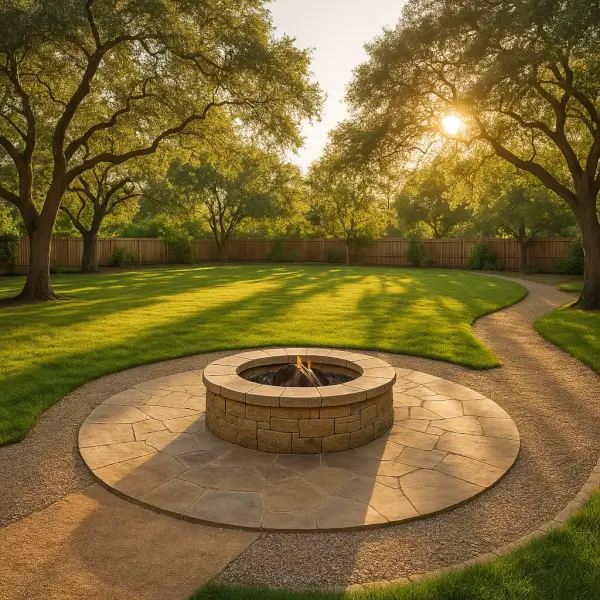
Most homes in Orangevale sit on large lots with wide open backyards. That extra space gives you room to add a fire pit without crowding your patio or play area. A built-in fire pit turns unused grass or gravel into the spot where everyone wants to be.
Orangevale’s warm summers and mild winters make a fire pit usable almost every month of the year. You can host dinners outside in October. You can sit with coffee on a cool January morning. Very few upgrades give you that kind of year-round return on your outdoor space.
A fire pit also creates a natural focal point that ties your whole yard together. It anchors your seating area and draws the eye. Guests and family members gather longer around a warm, well-placed fire. Kids roast marshmallows. Adults relax after a long week. The fire pit becomes the center of your backyard life.
Many homeowners try portable steel bowls first. Those work for a season or two, but they rust, tip, and look out of place. A built-in fire pit made from stone, brick, or concrete block looks like it belongs in your yard. It holds up to weather and heavy use without losing its shape or strength.
A professional install removes the guesswork about safety and local rules. We size the pit to match your yard. We place it the right distance from your fence, your home, and your trees. You skip the research and the stress. You get a fire pit that looks great, works safely, and adds real value to your Orangevale property from the first night you light it.
Choosing between gas and wood-burning is the biggest decision you will make before your install. Both options work well in Orangevale backyards. The right pick depends on how you plan to use your fire pit, how much maintenance you want, and how often you want to light it up.
Gas fire pits light with the flip of a switch. There is no smoke, no ash, and no cleanup afterward. You control the flame height and shut it off when you head inside. Gas models also produce steady, even heat without sparks flying toward your patio furniture or fence.
Wood-burning fire pits cost less upfront and deliver that classic campfire experience. The crackle of real wood and the smell of a live fire are hard to match. Stone and brick wood-burning pits blend right into Orangevale landscaping styles. They look natural next to oak trees, river rock, and earth-tone hardscapes common in this area.
Sacramento Valley Spare the Air alerts change the picture for wood-burning pits. During alert days, Sacramento County restricts wood burning across Orangevale and surrounding communities. That means your wood-burning pit sits cold on some of the best cool-weather nights of the year. Gas pits have no burn restrictions during these alerts, so you can use yours whenever you want.
Here is a quick side-by-side to help you compare:
Feature | Gas Fire Pit | Wood-Burning Fire Pit |
Startup time | Instant ignition | 15-20 minutes to build a fire |
Smoke and ash | None | Yes, regular cleanup needed |
Spare the Air compliant | Yes | No, restricted on alert days |
Upfront cost | Higher | Lower |
Fuel cost over time | Natural gas or propane | Firewood purchased locally |
Ambiance | Clean, steady flame | Crackling, classic campfire feel |
Some homeowners want both experiences. We can design a gas pit with fire-safe materials and layout that still feels warm and inviting. We can also build a wood-burning pit in a spot that meets all Sacramento County setback and air quality rules. A quick yard visit lets us walk you through both options based on your space, your budget, and how you picture your backyard nights in Orangevale.
A little prep work on your end makes installation day go faster and smoother. You already picked your fire pit style and locked in a date. Now it is time to get your yard ready so the crew can start working the moment they arrive.
Homes near the Orangevale Community Center neighborhood often sit under mature oaks and other large trees. Overhanging branches need a clearance check before we build. We measure the distance from the pit location to the nearest limbs and trim or adjust placement if needed. This keeps your install safe and up to code.
Spending an hour on these steps the day before saves real time on build day. Your crew shows up, sees a clear site, and gets right to work building the fire pit you picked out.
Knowing what happens on installation day takes the mystery out of the project. Our crew follows the same proven steps on every Orangevale fire pit build. Each stage builds on the one before it, so nothing gets rushed or skipped. Most Orangevale fire pit installs finish in one to two days depending on pit size and soil conditions.
The first thing the crew does is dig and grade your site. We remove grass, roots, and loose soil down to a stable layer. Then we level the ground using a compactor and a laser level. This step matters more than any other. A base that is off by even half an inch will cause your fire pit to shift or crack over time. Orangevale soil can vary from sandy loam near the creek areas to hard clay closer to the hillsides. We adjust our grading depth and compaction based on what we find on your property.
Next, we lay down a non-combustible surface. This is usually concrete, stone pavers, or a thick gravel pad. The surface protects the ground beneath the pit from heat damage. It also gives you a clean, flat area for chairs and foot traffic around the fire. We set each paver or pour each slab tight and level so water drains away from the pit instead of pooling around it.
Then the crew builds the fire pit structure itself. We stack and mortar brick, stone, steel, or concrete block into the shape and size you chose during planning. Every course gets checked for level and plumb. Mortar joints get tooled smooth so the finished pit looks clean from every angle.
If you picked a gas model, a licensed plumber connects the gas line at this stage. The plumber runs the line from your meter or propane tank to the burner inside the pit. Every connection gets pressure tested for leaks before we move forward. No one lights the pit until the plumber signs off.
The final stage is a full safety and function check. We confirm the pit sits the correct distance from your fence, home, and trees. We test the flame on a gas pit or run a first burn on a wood pit. We inspect every joint, every stone edge, and every connection point. The crew does not leave your Orangevale yard until everything works right and looks right.
Your fire pit looks finished. The crew packed up and drove away. Now it is your turn to check the work before you sign off and start enjoying it. A few simple checks tell you whether the job was done right.
Start at the base. Place a level across the top rim of the pit in both directions. The bubble should sit dead center each way. Push against the structure with both hands. There should be zero wobble, rock, or shift. If the pit moves at all, the base was not compacted or leveled properly. A solid fire pit feels like it grew out of the ground.
Next, test the flame. On a gas pit, turn the burner on and watch the fire pattern. Flames should spread evenly across the burner ring with no dead spots or uneven flickers. Adjust the flame from low to high and back down again. The control valve should respond smoothly without sticking. On a wood-burning pit, light a small starter fire and watch how the smoke moves. Smoke should rise straight up and drift naturally. If it swirls back down into the pit, airflow is blocked somewhere.
Walk around the pit and look at every mortar joint and stone edge up close. Run your finger along the joints. You should not feel gaps, crumbles, or soft spots. Stones and bricks should sit flush with no pieces sticking out or pulling away from the structure.
Grab a tape measure and check the clearance distances yourself.
Finally, ask your contractor for copies of every permit and inspection record. Sacramento County inspectors serving Orangevale may do a final site visit for gas fire pit installations. You want that inspection on file. If you ever sell your home, buyers and their agents will ask about permitted work. Having those documents ready protects your investment and avoids delays during a sale.
We hand over a full permit packet and walkthrough checklist at the end of every project. You get peace of mind that your fire pit meets code, looks sharp, and will hold up for years in your Orangevale backyard.
A fire pit that gets regular care will look and perform like new for a decade or longer. The work is simple. Most tasks take less than 30 minutes. A small effort each season saves you from expensive repairs down the road.
Cover your fire pit every time you finish using it. A fitted cover blocks rain, fallen leaves, and bird droppings from sitting inside the bowl or on the stone rim. Covers also shield your materials from UV rays. Orangevale gets intense sun from May through September. That direct exposure fades color and dries out sealant faster than you would expect. A heavy-duty cover with a drawstring or elastic edge stays put on windy afternoons.
Clean ash and soot from wood-burning pits after every few uses. Ash holds moisture against stone and metal surfaces. Left sitting, it causes staining and speeds up rust on steel components. Scoop out the ash once it cools completely. Wipe the interior walls with a stiff brush. Dump the ash in a metal bucket and let it sit for 24 hours before you toss it.
Inspect gas lines and burner ports at the start of each season. Spiders and dirt daubers love to nest inside burner openings during the off months. A clogged port creates uneven flames or can block ignition entirely. Use a thin wire or compressed air to clear each port. Check the gas line connections for any signs of wear, cracking, or loose fittings. If you smell gas at any point, shut the valve off and call a licensed plumber right away.
Seal your stone or brick surfaces every one to two years. Orangevale’s hot, dry summers cause stone and mortar to expand and contract repeatedly. That cycle opens tiny cracks over time. A quality masonry sealer fills those pores and keeps water from getting inside during winter rains. Apply sealer on a cool morning when the stone is completely dry. One coat usually does the job.
Trim nearby plants and trees so branches never hang over the pit. Homeowners in the Gold Hills area of Orangevale often have large oaks and crepe myrtles close to their outdoor living spaces. Branches grow fast during spring and summer. Keep a 10-foot clearance above the pit opening at all times. Falling leaves and dry twigs are fire hazards, and overhanging limbs violate Sacramento County setback rules.
We recommend a quick seasonal checklist. Walk around your fire pit, clean it out, check your cover, inspect the burner or firebox, and look up. Ten minutes four times a year keeps your Orangevale fire pit safe, clean, and ready for the next gathering.
Fire pit installation cost in Orangevale depends on several factors including pit size, material choice, and fuel type. A basic wood-burning fire pit built with concrete block typically starts lower than a custom natural stone gas fire pit with plumbing. Gas models cost more upfront because they require a licensed plumber for the gas line connection. We provide a detailed estimate after a free yard visit so you see exact pricing before any work begins.
Installing a fire pit in Orangevale typically takes one to two days once permits are approved and the yard is prepped. Smaller wood-burning pits on stable soil often finish in a single day. Larger gas fire pits that need plumbing and additional hardscaping may extend into a second day. Permit processing with Sacramento County can add a few weeks to the overall timeline, so we recommend booking early to keep your project on schedule.
You can install a fire pit on an existing patio in Orangevale as long as the surface and location meet safety requirements. Concrete and paver patios work well as a base, though we may need to cut into the surface for gas line routing on gas models. The pit still needs at least 10 feet of clearance from your home, fence, and trees. We evaluate your current patio during a site visit and recommend any adjustments needed before the build.
Choosing between a gas or wood-burning fire pit for your Orangevale backyard comes down to lifestyle and usage. Gas fire pits offer instant ignition, zero cleanup, and no restrictions during Sacramento County Spare the Air days. Wood-burning pits cost less upfront and deliver that traditional campfire atmosphere with crackling sounds and real wood aroma. If you plan to use your pit frequently during fall and winter, a gas model gives you more usable nights per year.
Serving: Orangevale, Fair Oaks, Folsom, Roseville, Rocklin, Granite Bay, Citrus Heights, Rancho Cordova, Elk Grove, Auburn, Lincoln, Fairfield, El Dorado Hills, and Beyond