

CA-27 #412296
Since 1980
Local team. No pressure. No spam.
Orangevale homeowners want relaxing backyards that stand up to hot Sacramento Valley summers. Outdoor water feature design in Orangevale, CA gives you a space that looks beautiful and sounds peaceful all year long. The right water feature turns an ordinary yard into your favorite place to unwind.
This page covers water feature styles, the design process, permits, and long-term care. You will learn what to expect from start to finish when adding a water feature to your property.
A skilled landscaper brings your vision to life and adds real value to your home. We help you pick the right style, plan every detail, and build something that lasts.
Orangevale yards do best with water features built for heat and limited water use. Pondless waterfalls, bubbling rock fountains, and small koi ponds are the most popular choices here. Each style fits different yard sizes and budgets.
Talk to a local designer to find the style that matches your yard and your lifestyle.
Water features add beauty to your yard, but they face real wear and tear over time. Orangevale’s long dry season puts extra stress on every part of your system. Knowing what to watch for helps you catch small problems before they turn into expensive repairs.
Algae buildup is one of the most common complaints we hear from local homeowners. When water sits still during hot months, green growth takes over fast. Temperatures above 100 degrees speed up algae bloom cycles. Moving water and proper filtration slow this process down, but only if your system runs correctly.
Pump failures happen more often than most people expect. Without regular seasonal checks, pumps overheat or burn out during peak summer use. Orangevale’s dry season runs long, and that means your pump works harder than pumps in cooler climates. A failed pump stops water flow and lets algae and mosquitoes take over quickly.
Liner cracks show up when soil shifts during dry summer conditions. Clay soil common in parts of Orangevale shrinks as moisture drops. That movement pulls on liners and creates tiny splits that grow over time. You may not see a crack right away, but a dropping water level is often the first sign.
Water loss from evaporation increases fast when daytime highs stay above 95 degrees for weeks. Without an auto-fill valve or weekly top-offs, your water level drops enough to expose pump intakes. That leads to air locks and premature wear on your equipment.
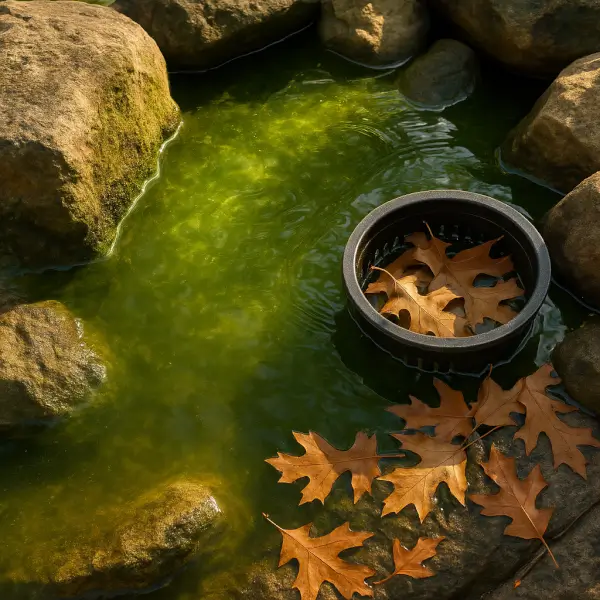
Debris from nearby trees clogs filters and slows water flow quickly. Oak leaves, pine needles, and seed pods collect in skimmer baskets within days. Clogged filters force your pump to work harder and shorten its life. A simple net or regular cleanout schedule prevents most debris problems.
Spotting these issues early saves you money and keeps your water feature running through every Orangevale summer.
Picking the right water feature starts with how you want to use your yard. Do you want a quiet spot to read? A colorful focal point for parties? A safe play area for kids? Your answer shapes everything from the size of the feature to the materials we use. The best choice is the one that fits your daily life, not just the one that looks good in a photo.
Ponds create a full backyard ecosystem with fish, plants, and natural sounds. They look stunning and attract birds and butterflies. But ponds need more space and regular maintenance to stay healthy. You will clean filters, manage algae, and monitor fish health through every season. If you have the room and enjoy hands-on care, a pond rewards you for years.
Fountains are the easiest option for most Orangevale homeowners. They fit nearly any yard size or shape. A standalone fountain on your patio or a small bubbler in a garden bed adds calming sound without much upkeep. You refill the basin, wipe down surfaces, and check the pump a few times each month.
Waterfalls add movement and a natural soundtrack to your outdoor space. They pair well with existing garden beds and rock borders. A waterfall also helps keep water oxygenated, which cuts down on algae. Many homeowners combine a short waterfall with a small pond or catch basin for a layered look.
Pondless designs recirculate water through a hidden underground basin. There is no open water for kids or pets to fall into. These systems use less water and cost less to run over time. Families with young children often choose pondless features for that reason alone.
Your soil type and sun exposure in Orangevale play a big role in performance. Yards near the Orangevale community park area often have heavy clay soil. Clay holds water on the surface but drains poorly below ground. That affects how we place liners and where we position the feature. Full-sun yards lose more water to evaporation, so shaded spots often work better for ponds. According to smart home and tech research from major publications, automated water level sensors and smart pump timers help homeowners manage features with less daily effort. We factor all of these details into your design so the feature works with your yard, not against it.
A little prep work on your end makes the entire design process smoother and faster. You do not need to be an expert. You just need to gather some basic information about your yard and your goals. Walking into that first meeting prepared helps your designer create a plan that fits your space, your budget, and your lifestyle from day one.
Start by watching how sunlight moves across your yard over a full day. Note which areas get full sun, partial shade, and deep shade. This matters because sun exposure affects water temperature, algae growth, and plant choices around your feature. Snap a few photos at morning, midday, and late afternoon. Your designer uses this information to pick the best spot for your water feature.
Next, check your permit requirements before any work begins. Sacramento County may require permits for ponds over a certain depth in Orangevale residential zones. Call your HOA if you belong to one. Some neighborhoods have rules about water feature height, noise, or proximity to property lines. Getting this information early prevents delays and surprise costs halfway through your project.
Be honest with yourself about maintenance time. Ask yourself these questions before your first meeting:
Your answers help us recommend the right style and equipment for your routine.
Call 811 or your local utility company to mark underground lines before any digging starts. Gas, water, electric, and cable lines run through many Orangevale yards. Hitting one during excavation is dangerous and expensive. This step is free and usually takes just a few business days.
Finally, gather photos of water features you like. Browse online or visit local garden centers for ideas. Save images that show the size, stone colors, and plant styles that catch your eye. Bring five to ten favorites to your design meeting. Visual references help your designer understand your taste faster than words alone.
Every water feature project follows a clear sequence from first visit to final walkthrough. Knowing each step ahead of time removes the guesswork and helps you plan your schedule. Most Orangevale water feature projects take one to three weeks depending on size and weather delays. Here is how the process works from start to finish.
Step one is the site visit. Your designer comes to your yard and measures the full space. They study the slope, check soil conditions, and look at drainage patterns. Clay soil in many Orangevale neighborhoods affects how deep we dig and where we set the feature. Your designer also notes sun exposure, nearby trees, and how close the site sits to your home’s electrical panel. This visit usually takes about an hour and gives us everything we need to start planning.
Step two is the design phase. We create a detailed layout based on your site visit and your style preferences. This layout covers materials, stone types, plant choices, and water flow direction. You see exactly where the feature sits in your yard before we break ground. We also select the right pump size, filter type, and plumbing route during this phase. You approve the final plan and timeline before any work begins.
Step three is excavation and basin or liner installation. This hands-on work usually takes one to three days. We dig the hole or trench to the exact depth and shape from your approved design. Liner material goes in next, layered over protective underlayment to prevent punctures. For pondless designs, we set the underground basin and backfill around it. Every edge gets secured so nothing shifts once the feature holds water.
Step four is plumbing, pump, and filter setup. We connect all plumbing lines and mount the pump and filter in their permanent positions. Every joint gets sealed and pressure tested. We run the full system dry first to check flow rates and catch any issues. Then we add water slowly and watch every connection for leaks. Lights, timers, and auto-fill valves get wired and tested during this same stage.
Step five is the finishing work. We place natural stone, boulders, and gravel around the edges of your feature. Plants go in around the perimeter to soften the look and blend it into your existing landscape. We adjust water flow speed and direction until the sound and movement look right. Your feature runs for a full test cycle while we watch water levels and pump performance. Before we leave, we walk you through daily and weekly care so you feel confident on your own.
Your water feature is in the ground, the stones look great, and you hear water moving for the first time. But how do you know the build is actually solid? A few simple checks on day one give you real peace of mind. You do not need any special tools or training. You just need to know what to look for before your crew packs up and drives away.
Start by watching the water circulate through the entire system. Every section of your feature should have moving water. Look for dead spots where water sits still or barely flows. Standing water invites mosquitoes and algae within days, especially during Orangevale’s hot months. If you see a stagnant zone, point it out right away. Your landscaper can adjust a nozzle angle, reposition a stone, or increase pump output to fix it on the spot.
Next, get down close to every pump connection and plumbing joint. Run your hand along each fitting and look for drips, moisture, or wet soil below the connections. Even a tiny leak at a joint grows worse over time. Water pressure and summer heat expand and contract fittings, so a small drip today becomes a real problem by August. Every seal should be dry and tight before you sign off on the project.
Watch your water level over the first 24 to 48 hours after startup. You will lose a small amount to evaporation each day. That is normal in the Sacramento Valley. But if the level drops noticeably in just a few hours, something is wrong. A fast drop usually means a liner issue, a loose fitting, or a low edge where water spills over. Mark the water line with a piece of tape and check it the next morning.
Before your crew leaves, test every electrical component yourself:
These parts fail more often than stone or liner work. Testing them now saves you a callback later.
Ask your landscaper to walk you through the full maintenance routine on day one. Have them show you how to clean the filter, check the pump intake, and adjust the flow valve. Write down the pump model number and filter size for future replacement orders. If your property sits near the Citrus Heights border area, hard water minerals in the local supply can build up on pump seals and reduce their lifespan. Ask whether a mineral treatment or inline filter makes sense for your setup. A five-minute conversation now protects your investment for years.
Your water feature is a long-term investment, not a set-it-and-forget-it project. A simple routine keeps everything running clean and strong for 15 years or more. Orangevale summers regularly reach over 100 degrees. That kind of heat puts serious pressure on pumps, water levels, and water quality. The good news is that most maintenance tasks take just a few minutes each week. Stay consistent and you avoid the costly repairs that catch other homeowners off guard.
Clean your filters every two to four weeks during peak summer heat. Dust, pollen, and leaf debris build up fast between June and September. A clogged filter forces your pump to work harder and run hotter. Pull the filter media out, rinse it with a garden hose, and inspect it for tears or wear. Replace filter pads once they stop rinsing clean. This single habit adds years to your pump’s life and keeps water flowing the way it should.
Top off your water level every week. Dry Sacramento Valley air pulls moisture out of your feature faster than you expect. Even a quarter-inch drop per day adds up over a week. Low water exposes the pump intake to air, which causes overheating and air locks. If you have an auto-fill valve, check that it responds correctly each week. If you fill manually, use a slow trickle from your garden hose and stop once the level reaches your marked line.
Treat your water with safe pond enzymes through the summer months. Enzymes break down organic waste that feeds algae. Add the recommended dose every one to two weeks based on your feature size. Avoid harsh chemical algaecides that can damage pump seals and harm plants. Enzyme treatments keep the water clear without hurting fish, pets, or birds that drink from your feature.
Winterize your pumps and lines in late fall before the first cold snap hits. Orangevale does not get extreme freezes, but overnight lows in the 30s still damage standing water in pipes. Disconnect your pump and store it indoors or in a garage. Drain exposed plumbing lines completely. Remove and clean the filter one final time before storage. Cover your feature basin with a net to keep leaves and debris out through winter.
Schedule a yearly professional check to catch small problems early. A trained eye spots worn seals, hairline liner cracks, and slow leaks that you might miss. Book your annual visit in early spring before you restart the system for the season. Your technician can also test electrical connections, recalibrate timers, and adjust flow rates after months of downtime. One visit per year costs far less than an emergency repair in the middle of July.
Maintenance Task | How Often |
Filter cleaning | Every 2-4 weeks in summer |
Water level top-off | Weekly year-round |
Enzyme treatment | Every 1-2 weeks in summer |
Pump and line winterization | Once in late fall |
Professional inspection | Once per year in early spring |
Stick to this schedule and your water feature stays healthy through every Orangevale season without surprise breakdowns.
The cost to design and build a water feature in Orangevale depends on the style, size, and materials you choose. Simple bubbling rock fountains typically start around $1,500 to $3,000, while custom pondless waterfalls and koi ponds can range from $5,000 to $15,000 or more. Factors like site access, soil conditions, and electrical work also affect the final price. We provide a detailed estimate after your site visit so there are no surprises once construction begins.
A water feature installation in Orangevale typically takes one to three weeks from groundbreaking to final walkthrough. Smaller features like standalone fountains may wrap up in just a few days, while larger koi ponds or multi-tier waterfalls require more excavation and finishing time. Weather delays and permit timelines can shift your schedule slightly. Your designer provides a clear project timeline during the planning phase so you can prepare your yard and your calendar accordingly.
Whether you need a permit to install a water feature in Orangevale depends on the type and depth of the feature. Sacramento County may require permits for ponds exceeding a specific depth in residential zones. Electrical work for pumps and lighting often requires a separate permit as well. Your HOA may also have rules about placement and noise levels. We help you identify all permit requirements during your initial consultation to keep the project on track.
You can absolutely add a water feature to a small backyard in Orangevale with the right design approach. Bubbling rock fountains, wall-mounted fountains, and compact pondless waterfalls are all built specifically for tight spaces. These options deliver calming water sounds and visual appeal without taking over your yard. During your site visit, your designer measures the available area and recommends features that fit comfortably while leaving room for seating, plants, and everyday use of the space.
Serving: Orangevale, Fair Oaks, Folsom, Roseville, Rocklin, Granite Bay, Citrus Heights, Rancho Cordova, Elk Grove, Auburn, Lincoln, Fairfield, El Dorado Hills, and Beyond